INFORMATION ON THE REGION
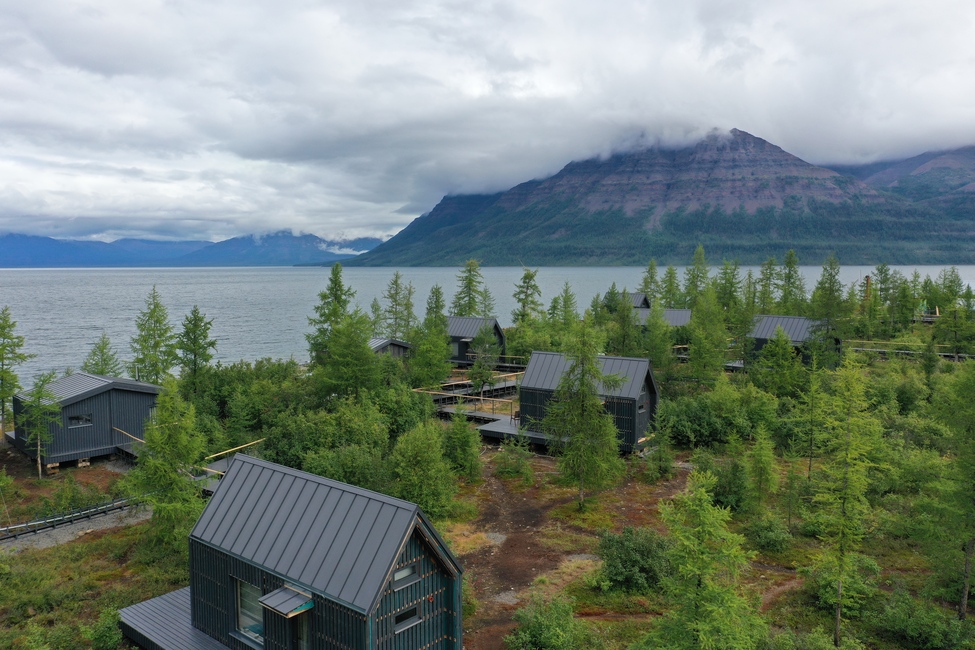
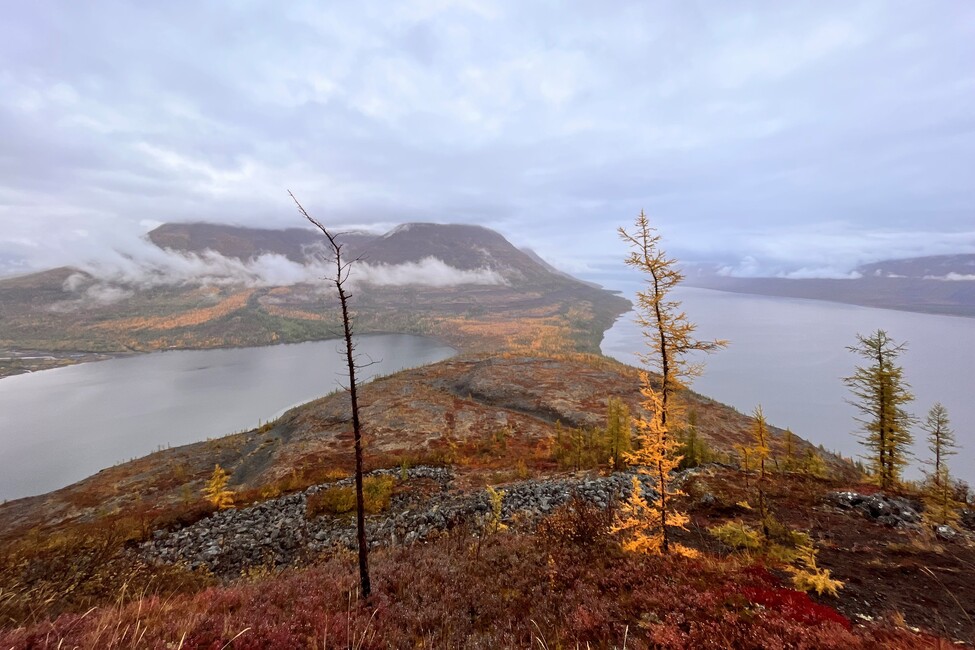
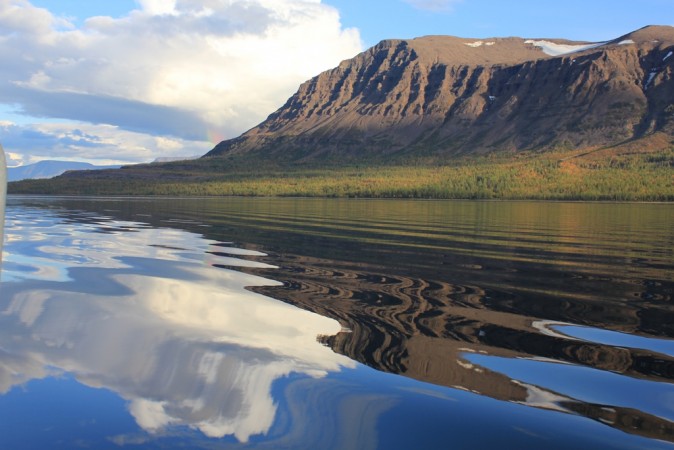
The Putorana Plateau is a mountain range located in the north of the Krasnoyarsk region. It is a massive territory, almost unspoilt by man, about the size of Great Britain.
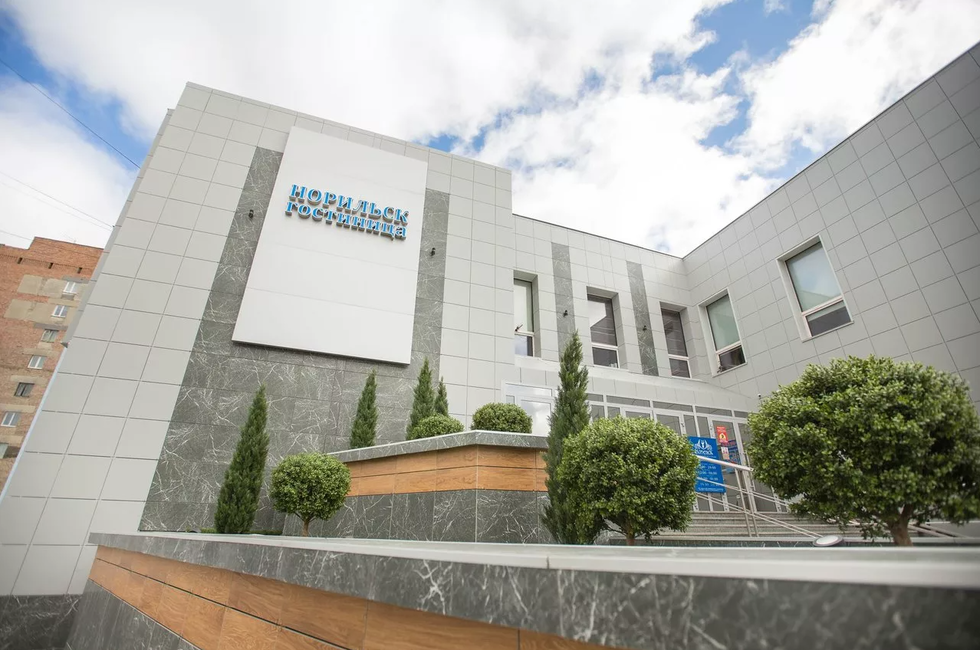
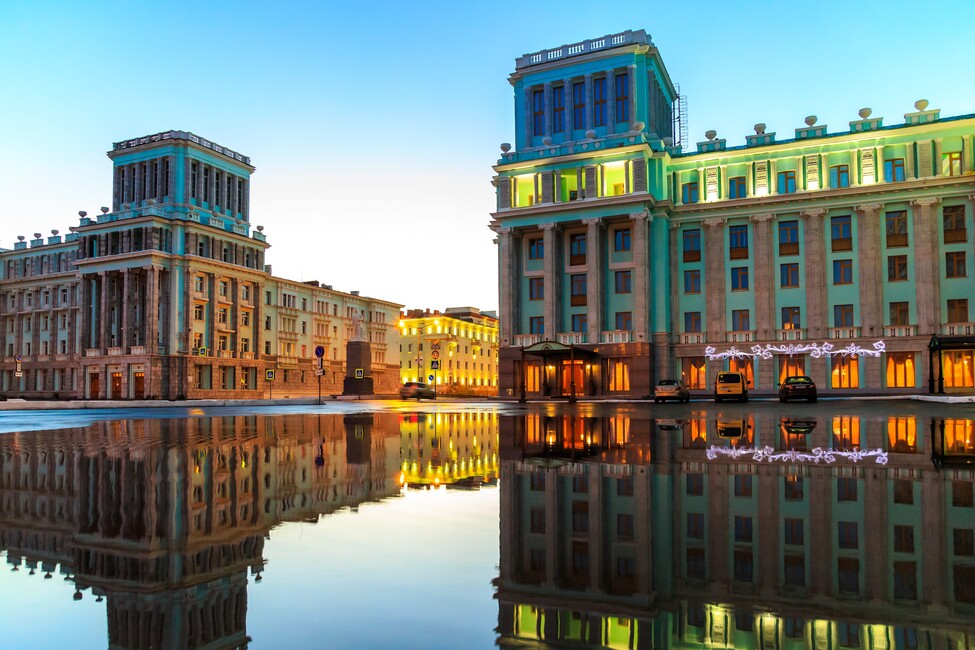
The nearest settlement is the city of Norilsk (and the city of Dudinka connected to it by a 90 km road) - a large industrial centre with a population of 170,000 people and full infrastructure (kindergartens, schools, hospitals, banks, 24-hour supermarkets,...). "Norilsk Nickel is a city-forming enterprise. Norilsk has no roads with the rest of Russia: neither railways nor motorways - year-round access is possible through Alykel Airport: several daily flights of S7 and NordStar (part of the Nornickel Group) from Moscow, Krasnoyarsk, Novosibirsk, Yekaterinburg. The time difference with Moscow is 4 hours.
In Norilsk city, the catering industry is quite developed, there are about a dozen decent cafes and restaurants. In Dudinka and Talnakh, unfortunately, the catering sector is quite poor, there are 1-2 cafes.
In the cities there is a confident reception of all major mobile operators: Tele 2, MTS, Beeline, Megafon. The widest coverage: MTS.
On Putorana Plateau there is no mobile communication, wi-fi only in the recreation area and very unstable - at best you will be able to send some photos to WhatsApp.
The town has a number of bank branches and ATMs (Sberbank, Alfabank, Tinkoff, Rosbank, VTB, Otkritie and others), and there are 24-hour ATMs. Almost any retail outlet can be paid for with a card, cash can be useful for tips in cafes and restaurants, as well as when visiting craft workshops.
CLIMATE AND TRAVELLING PECULIARITIES
There are only 4 months on the Putorana Plateau when the average daily temperature is above zero: June, July, August and September. In June and July there are 1.5-2 times more sunny days than in other summer months. The summer season of travelling on the Putorana Plateau starts from the beginning of July, when the ice goes down, and lasts until the middle of September, when new snow does not cover the mountains.
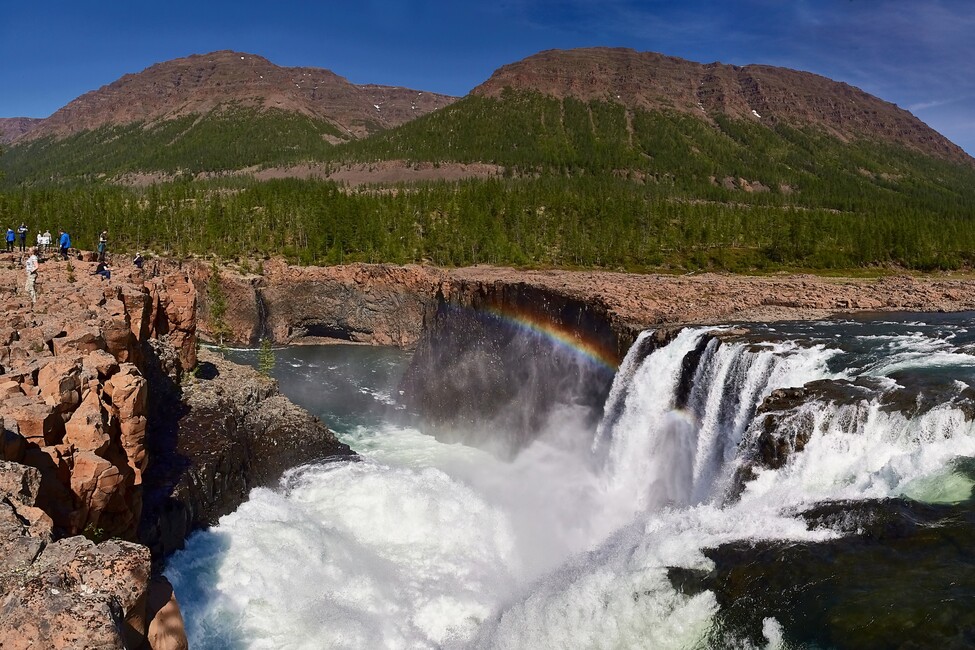
In July: warmth, a lot of sun and little rain, full-flowing waterfalls, polar day (the sun does not set), mosquitoes from the beginning of the month, midges appear at the end of the month, gadflies appear at temperatures above 25 degrees, the most stable weather for helicopter tours;
In August: mushrooms and berries, beautiful and long sunsets, night in the form of twilight, few mosquitoes by the end of the month, midges remain until the end of the month, stable and warm weather in the first half of the month, in the second half the weather worsens, the temperature drops;
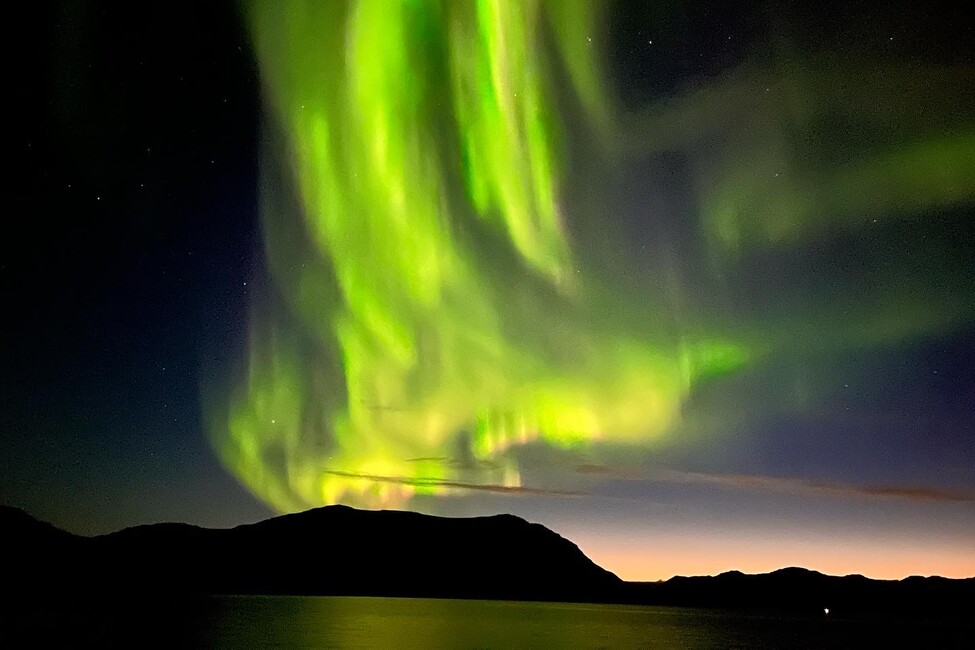
September: golden autumn, snowy peaks, northern lights, few insects, usual dark night, possible frost at night, not stable weather at all in the second half of the month, very low chance for helicopter flights.
TOUR SAFETY
Participation in the tour on the Putorana Plateau is relatively dangerous. Main dangers:
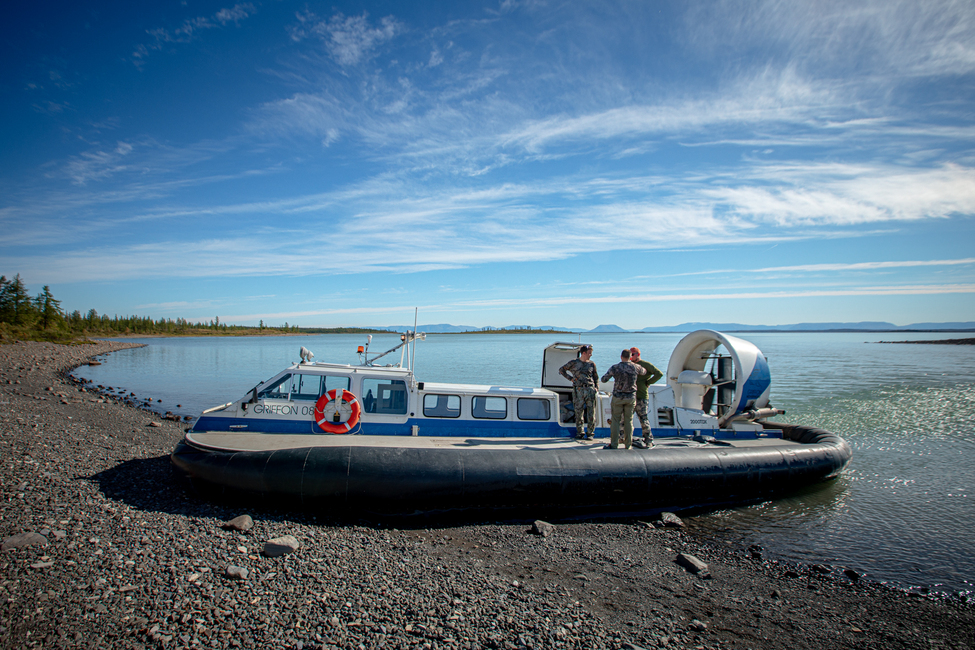
Distance from civilisation. It is more than 100 km to the nearest settlement, and there are no roads or any other regular transport communication. The help will not arrive quickly.
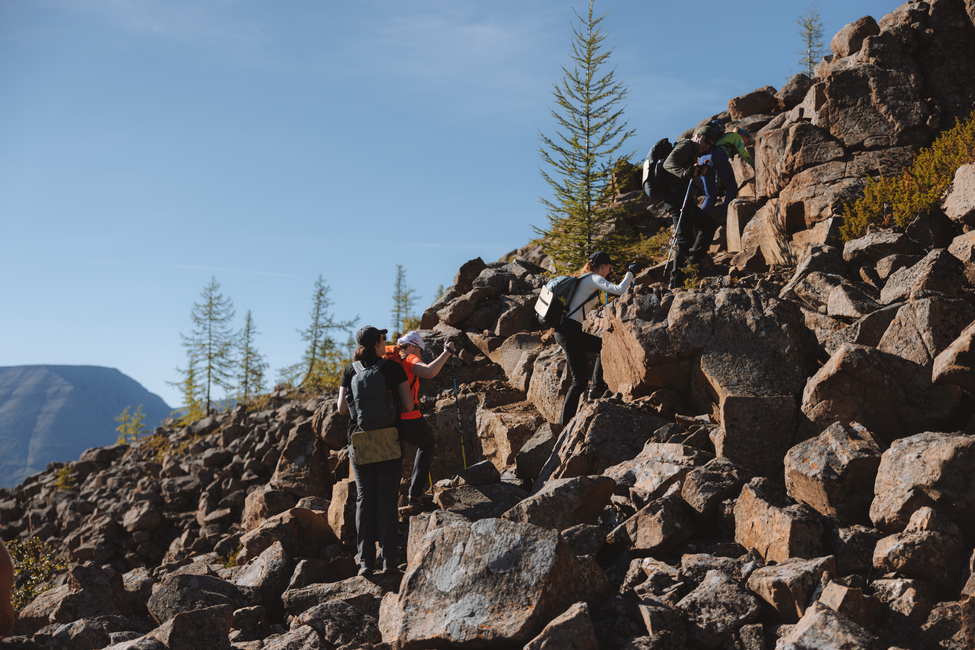
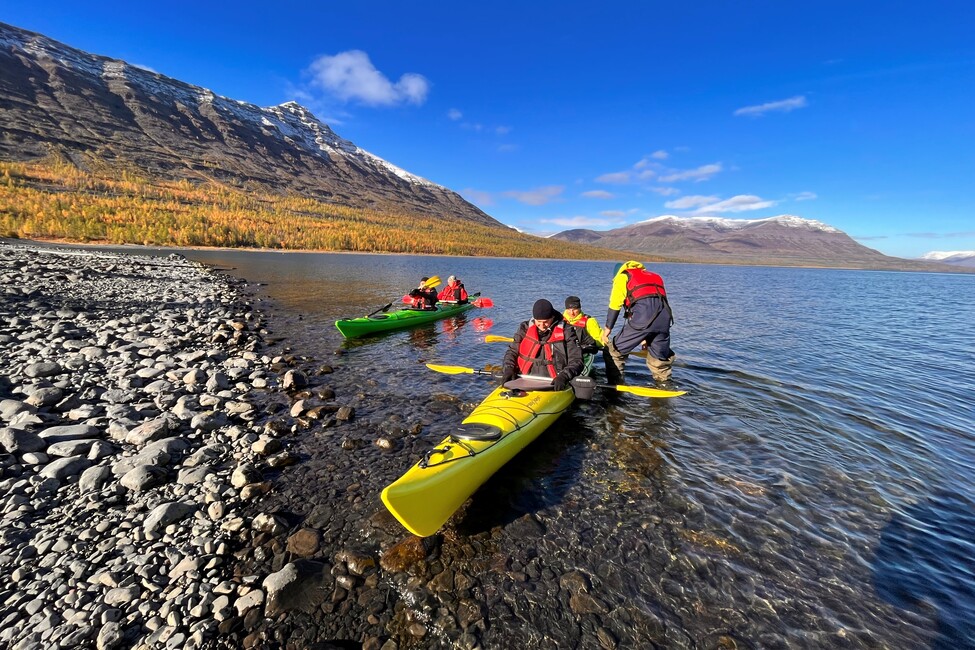
Dangerous landscape. Tundra, forest tundra, taiga, swamps, dense thickets, cliffs. Lack of equipped trails, of navigation and communication, increased requirements to physical preparation of the participants. Temperature of mountain lakes, rivers and streams is about zero degrees centigrade. High risk of injuries to legs, hands and eyes, hypothermia, as well as lagging behind and loss of orientation in case of unauthorised departure from the group or insufficient physical preparedness.
Wild animals of the Putorana Plateau that pose a danger to humans: brown bear, wolverine, wolf.
Insects: mosquitoes, midges, gnats. Participants who are allergic to the bites of such insects should refrain from the trip or take care of their health taking into account this factor, and also be sure to inform the organisers.
Other dangers of autonomous travelling in inaccessible mountainous terrain in the Arctic zone.
In order to minimise the risks it is necessary to ensure that your personal equipment is prepared in accordance with the attached list, that you correctly assess your physical preparation for the chosen tour, that you follow the safety instructions and that you follow the instructions of your guide. Compliance with all recommendations significantly reduces the risk, however, it cannot guarantee safety. By taking this trip, you assume the risks involved.
The safety and behavioural instructions will be given by the instructors:
1. rules of visiting and safety in nature;
2. safety rules for encountering wild animals;
3. safety rules on trekking;
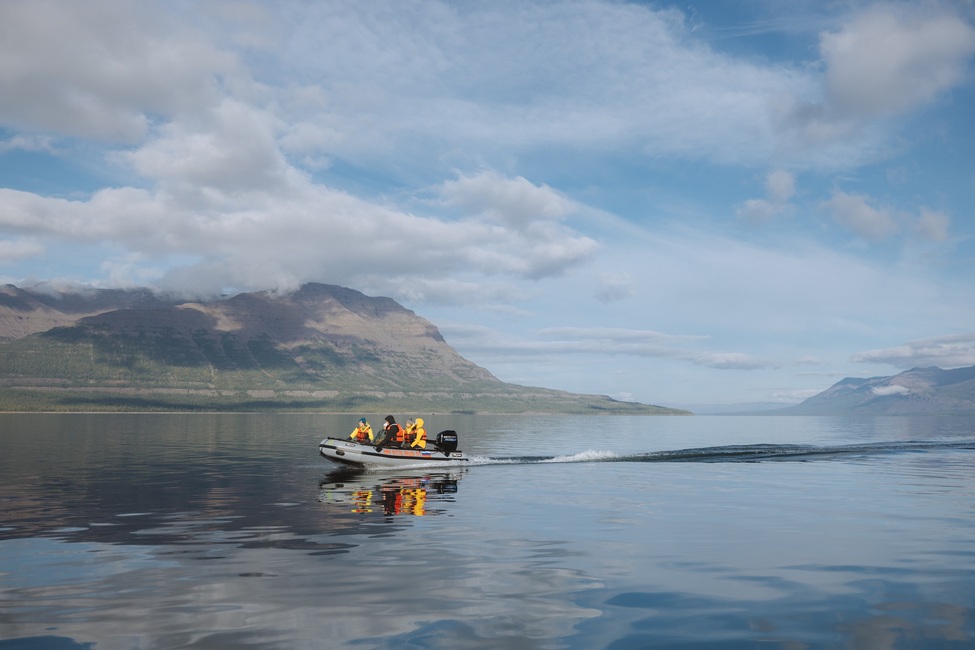
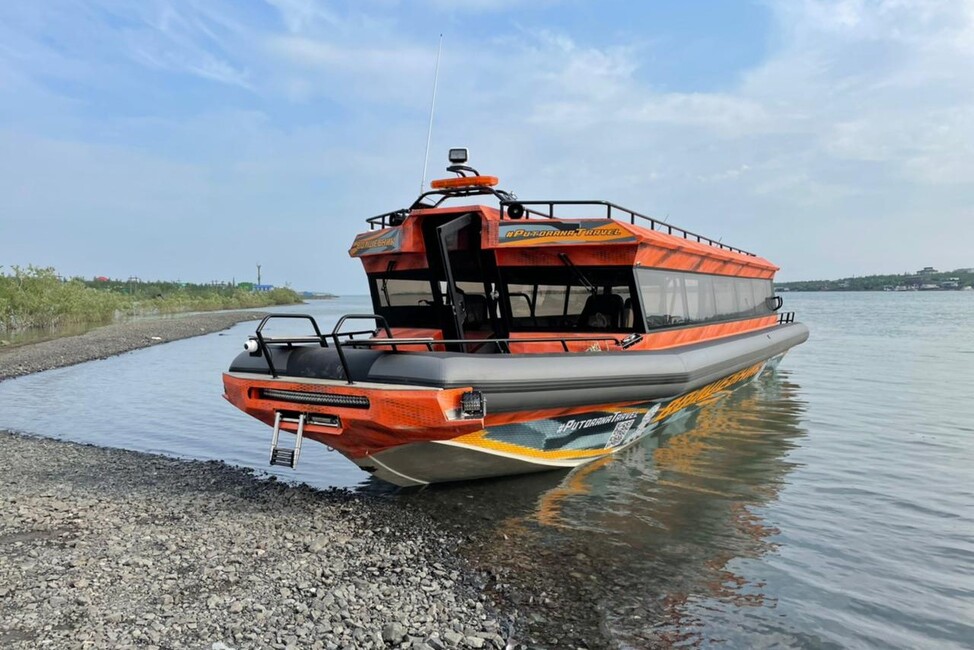
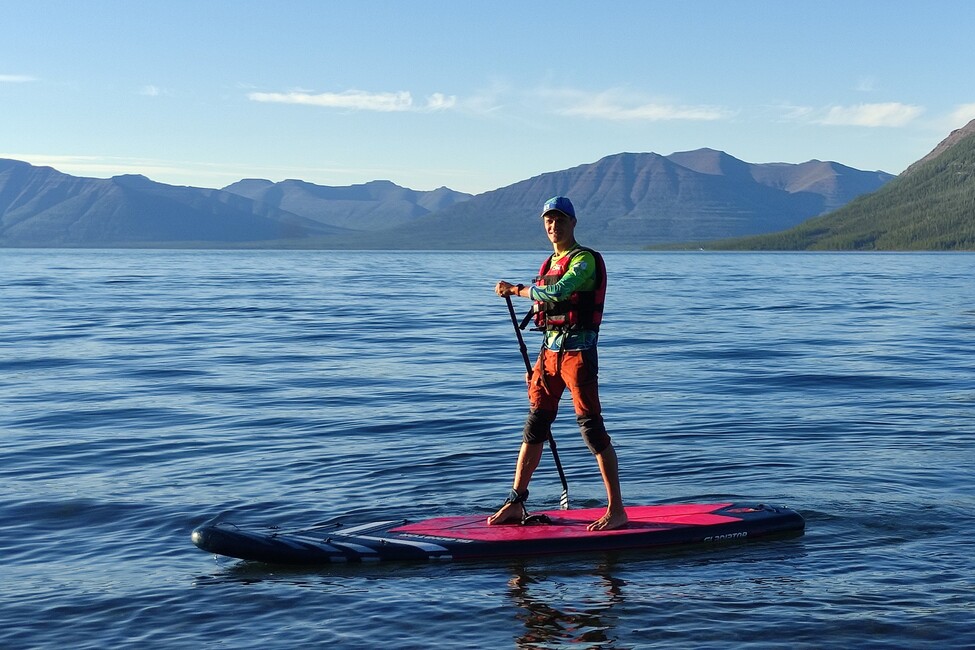
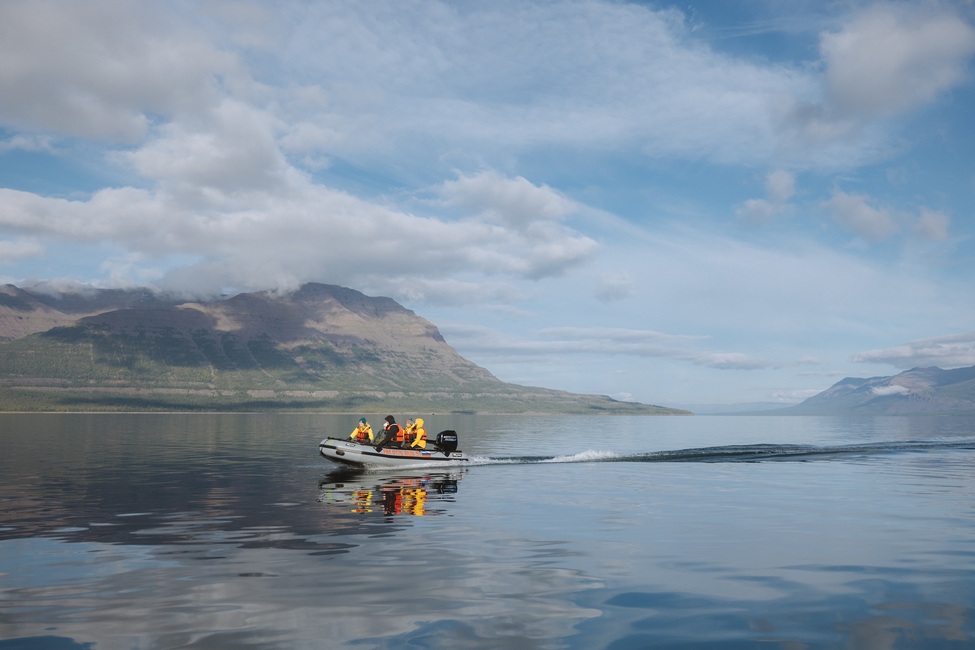
4. safety rules when travelling on water;
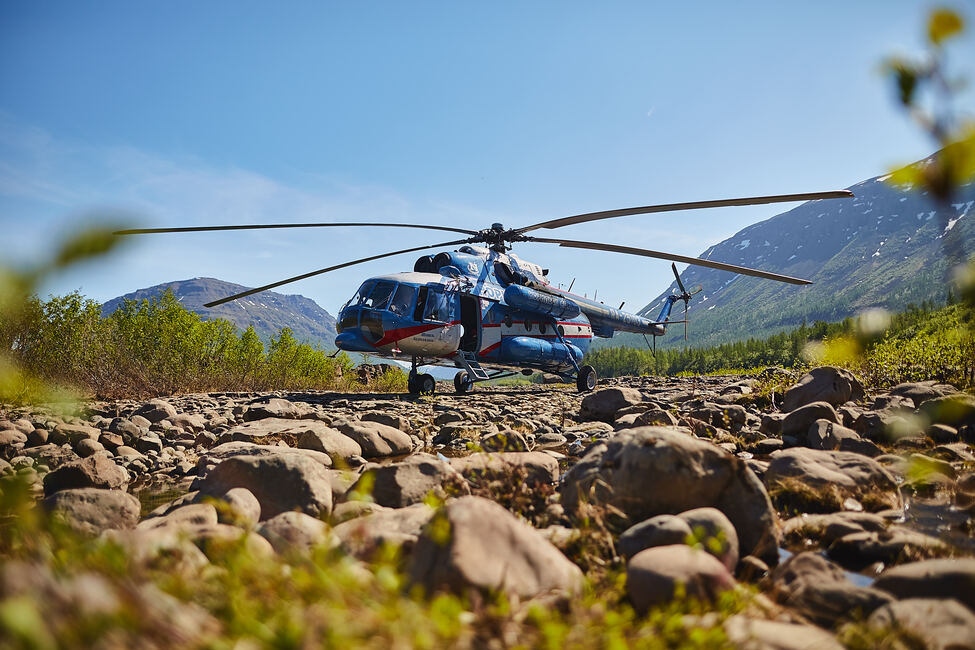
5. safety rules for helicopter flights;
6. additional briefings depending on the programme of the selected tour.
All instructor-guides have a professional certificate and are certified in first aid. The main instructor of the group has at least 5 years of experience in tourism. Before the beginning of the season all instructors take courses to improve their knowledge in the following areas: interaction with wild animals, medicine, actions in emergency circumstances.
Instructors-guides of all groups on the route have a medical kit and a satellite phone for emergency communication.
All groups are registered in the Ministry of Emergency Situations. Accident insurance is included in the tour.
In order to minimise the risks it is necessary to ensure that your personal equipment is prepared in accordance with the attached list, that you correctly assess your physical preparation for the chosen tour, that you follow the safety instructions and that you follow the instructions of your guide. Compliance with all recommendations significantly reduces the risk, however, it cannot guarantee safety. By taking this trip, you assume the risks involved.
The safety and behavioural instructions will be given by the instructors:
1. rules of visiting and safety in nature;
2. safety rules for encountering wild animals;
3. safety rules on trekking;
4. safety rules when travelling on water;
5. safety rules for helicopter flights;
6. additional briefings depending on the programme of the selected tour.
All instructor-guides have a professional certificate and are certified in first aid. The main instructor of the group has at least 5 years of experience in tourism. Before the beginning of the season all instructors take courses to improve their knowledge in the following areas: interaction with wild animals, medicine, actions in emergency circumstances.
Instructors-guides of all groups on the route have a medical kit and a satellite phone for emergency communication.
All groups are registered in the Ministry of Emergency Situations. Accident insurance is included in the tour.
It is necessary for participants to have a personal first aid kit with individual medication and to warn in advance about health peculiarities affecting the route.
ADDITIONAL INFO
The participant is obliged to inform about diseases, restrictions or contraindications to participation in the tour in the booking request.
The participant is obliged to observe the rules of personal safety.
The sequence of days of the tour and the provision of services may be changed, as well as the replacement of services, due to deteriorating weather conditions or any other reason affecting the safety of the route and the possibility of providing a particular service. In the case of these situations, the services are replaced while respecting the interests of the tourist.
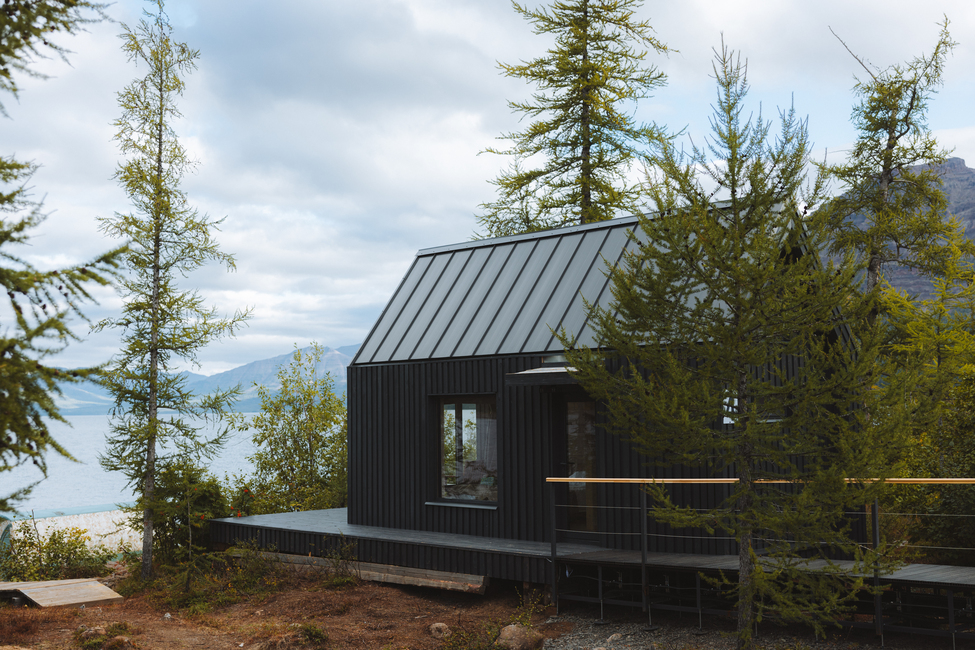
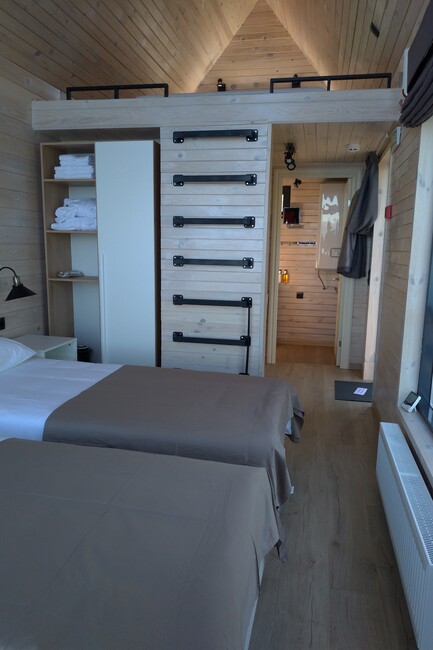
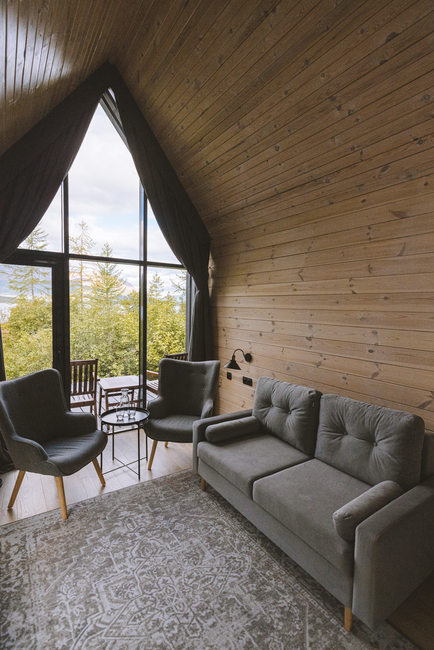
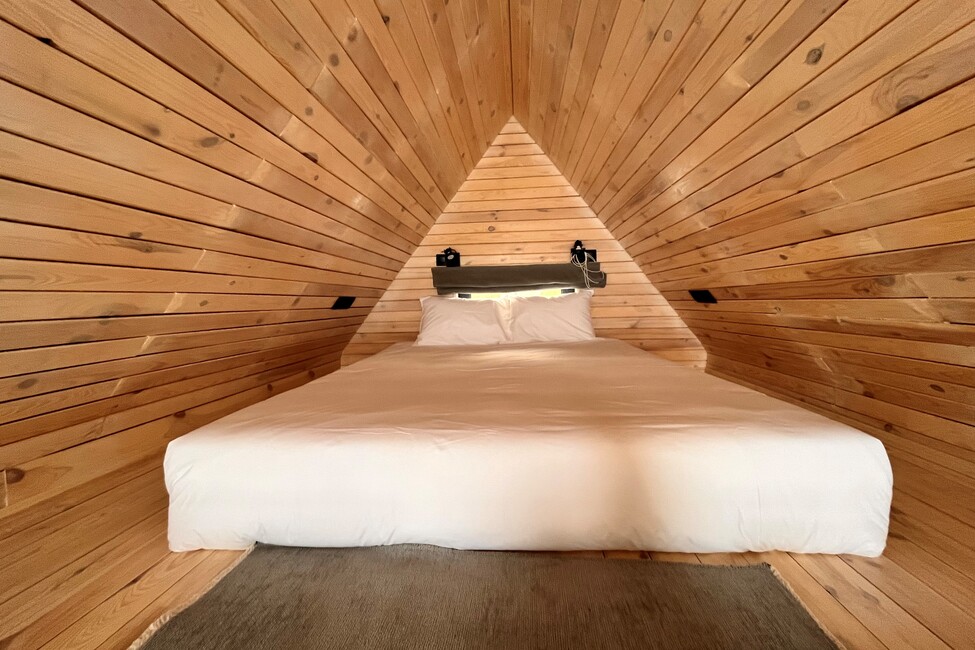
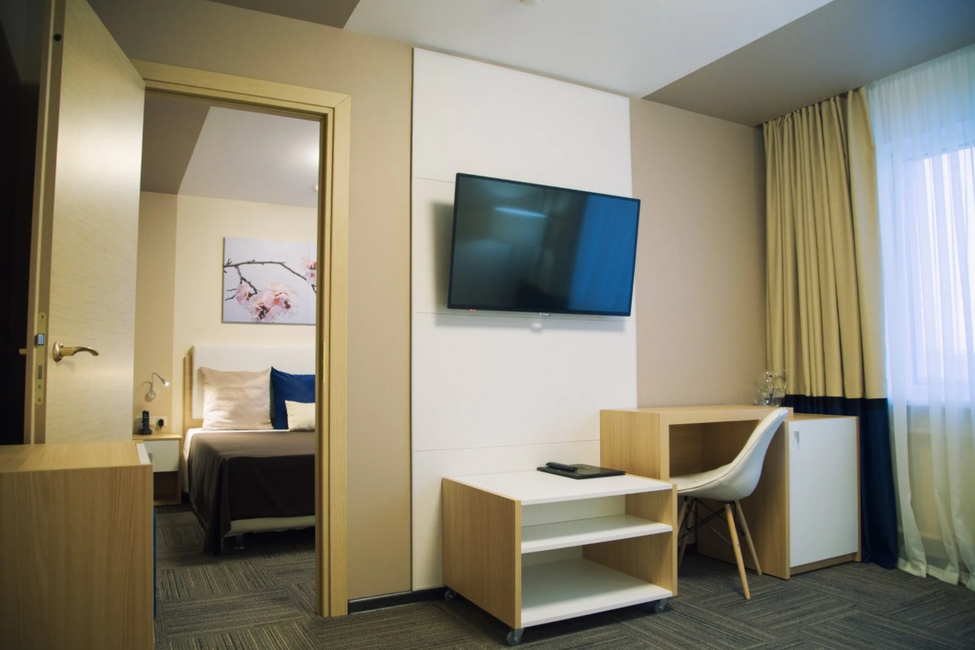
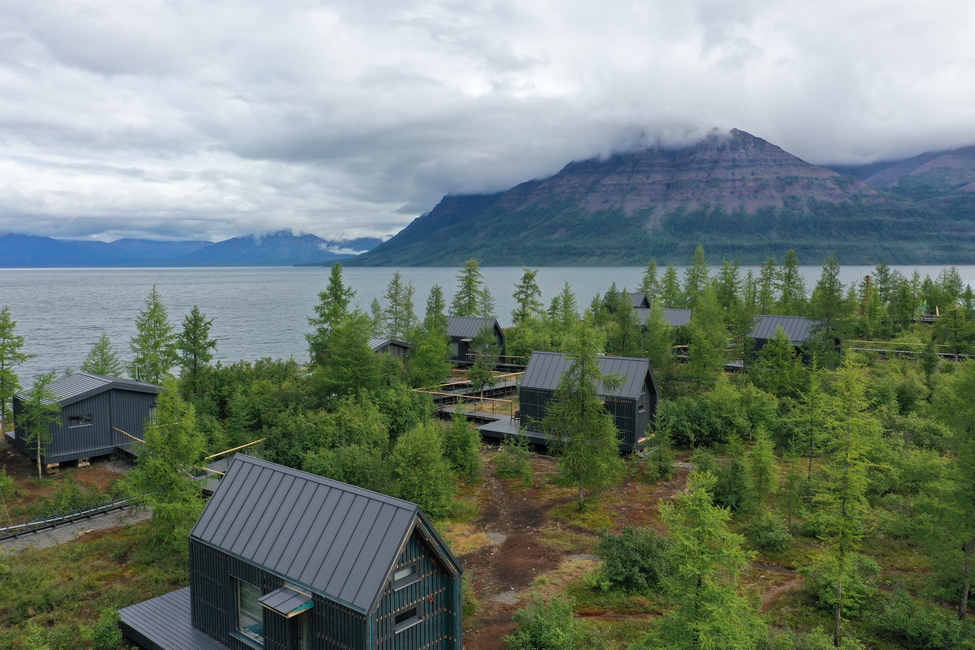
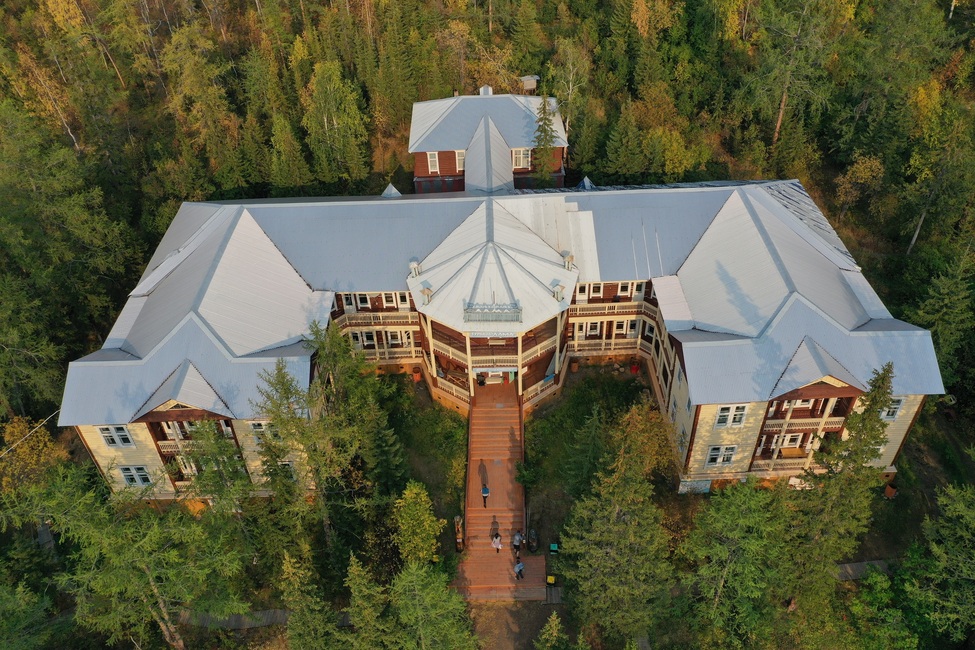
In the immediate vicinity of the accommodation facilities (on the plateau or in the city) may at any time begin construction, engineering works, erected or located communications and equipment, may be located shops, restaurants, clubs, car parks, other organisations, lighting masts, may pass pedestrian, road, railways, etc., as a result of which there may be undesirable noise, visual effects, odours, vibrations, etc. At the same time, these phenomena are beyond the competence of the Tour Operator and the Tour Operator is not responsible for these circumstances.
Alcohol consumption is prohibited during the active part of the route. In case of detection of a participant in a state of alcoholic or drug intoxication the instructor has the right to refuse the tourist to participate in the programme.
There is no alcohol in the menu. In case you require alcohol, take care of it in advance (you can buy it in a supermarket in Norilsk on the first day of the tour).
Smoking is prohibited in the rooms and public areas. Smoking is allowed only in specially designated places. On the route smoking is allowed only at a distance from the main group without inconveniencing other group members. On the Putorana plateau most of the routes are in the protected zone of the reserve, so it is forbidden to throw cigarette butts. If you smoke during the day, take care of a pocket ashtray in advance. There are serious fines for littering in the protected area.
PERSONAL EQUIPMENT
Carefully consider each item on your personal equipment list, as it will directly affect your comfort during the trip. If you do not have any equipment or are unsure about the possibility of a replacement, please ask the manager for advice.
Compulsory equipment:
- Tall trekking boots. These are the main protection of your feet from injuries when travelling over rough terrain, climbing up mountains on rocky slopes and steep descents. Properly chosen footwear is a guarantee of comfort on the route. It is better to take worn shoes on the tour, otherwise it is strongly recommended to stock up on plasters.
- An additional comfortable pair of shoes (trainers). In the evening after an active day, your trekking boots should dry.
- Waterproof trousers and a jacket made of membrane. In case of absence of such, in addition to outer clothing, take a waterproof mackintosh (or raincoat). During the active part of the tour exclude denim fabric, it takes a long time to dry, is not practical and increases the likelihood of injury.
- A jumper (fleece, Polartec, you can wear a pullover). When choosing a sweatshirt, it is important to consider thermal qualities, as well as the ability to dry quickly.
- Two sets of thermal underwear (cotton one is not suitable). The second set is necessary in case the first one gets wet and has not had time to dry.
- Warm jacket (down jacket) or down waistcoat. During the day on the top of the plateau and in the evenings at the base the temperature can drop below zero.
- Fleece gloves. For warmth, protection from rain, wind and mosquitoes.
- Trekking socks 2-3 pairs, 1-2 pairs of simple socks, 1 pair of warm socks (cotton ones are not suitable).
- Spare socks are needed not only in case of contamination, but also in case your feet get wet.
- T-shirt 2-3 pieces. Synthetic T-shirts dry faster.
- A thin hat, a baffle, a cap. The weather changes quickly on the plateau, today the sun is hot, and in the morning the wind is cold with snow.
- Personal hygiene products.
- Personal first aid kit. The instructor has a general first aid kit, it contains everything you need for first aid. It is recommended to take your own personal medication.
- A small rucksack of no more than 35 litres for carrying personal belongings during the guided hikes.
- Slippers for shower and bath.
- Bathing accessories.
- Sunscreen.
- Sunglasses.
- Gnat and mosquito spray and/or mosquito net.
Recommended equipment:
- Airtight phone bag;
- headlamp;
- binoculars or spotting scope.


.jpg?1745835484)

_675x450.jpg)

.jpg)
.jpg)
.jpg)
.jpg)
.jpg)
.jpg)
.jpg)
.jpg)
.jpg)
.jpg)
.jpg)
.jpg)
.jpg)
.jpg)
.jpg)
.jpg)
.jpg)
.jpg)
.jpg)
.jpg)
.jpg)
.jpg)
.jpg)
.jpg)
.jpg)