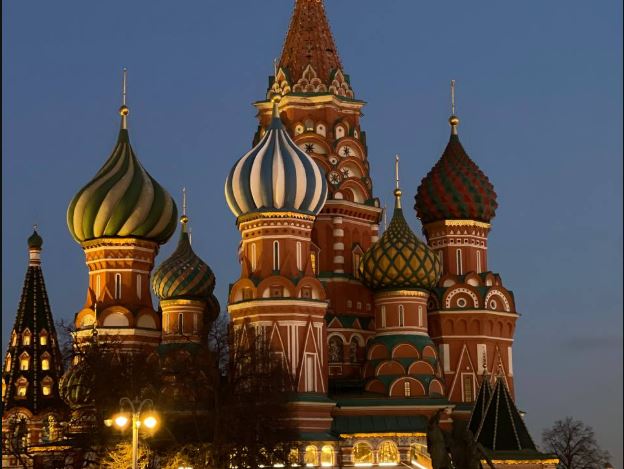
MOSCOW
GENERAL INFORMATION
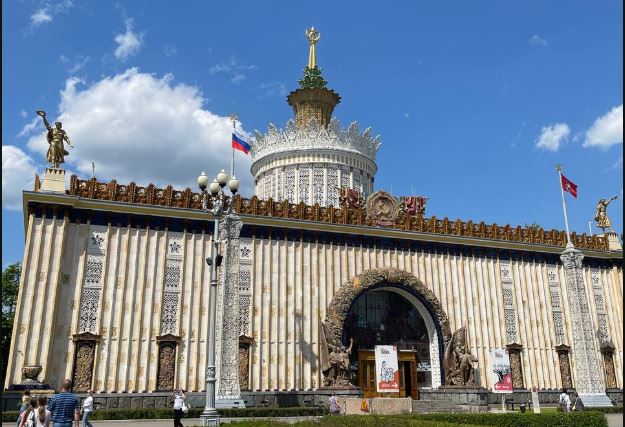
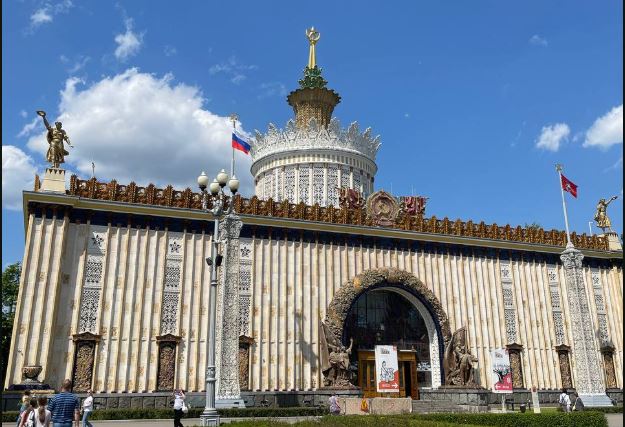
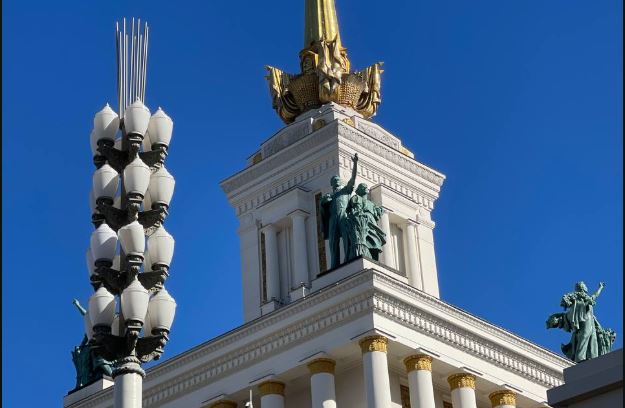
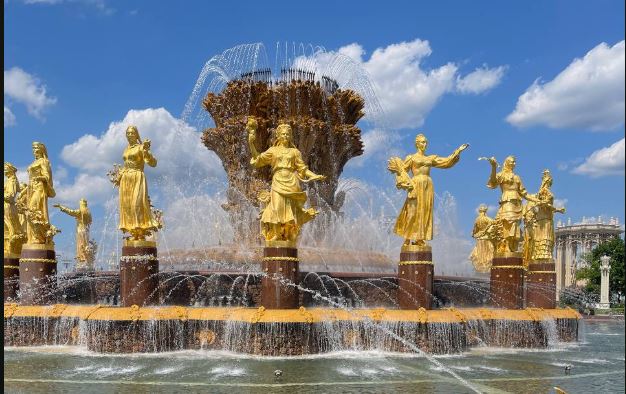
Moscow is the capital of Russia, a federal city, the administrative center of the Central Federal District, and the center of the Moscow Oblast, of which it is not a part. It is the largest city in Russia and its constituent entity by population, with 13,274,285 residents (2025), making Moscow the 22nd most populous city in the world. It is also the largest city in Europe by area and population. According to the UN, it is the best city in the world for quality of life and infrastructure development.
HISTORY
Archaeological evidence indicates the existence of an urban settlement in the area of the future Kremlin since the 11th century. The city's history spans at least 878 years: the first written mention of Moscow dates back to 1147. Moscow is the historical capital of the Grand Duchy of Moscow, the Tsardom of Russia, the Russian Empire (1728–1732), Soviet Russia, and the USSR. It is a hero city. Moscow is home to the federal government bodies of the Russian Federation (except for the Constitutional Court), foreign embassies, and the headquarters of most of Russia's largest commercial organizations and public associations.
LOCATION
It is located in western Russia, on the Moskva River in the center of the East European Plain, between the Oka and Volga rivers. As a federal subject, Moscow borders the Moscow and Kaluga regions. Moscow comprises six urban settlements, including four towns and two urban-type settlements, as well as a large number of rural settlements. A number of Moscow region towns, urban-type settlements, and rural settlements were incorporated into Moscow and lost their status.
TOURIST SIGNIFICANCE
Moscow is a popular tourist destination. The Moscow Kremlin, Red Square, Novodevichy Convent, and the Church of the Ascension in Kolomenskoye are UNESCO World Heritage Sites. It is a vital transportation hub: the city is served by six airports, ten railway stations, and three river ports (with river connections to the Atlantic and Arctic Oceans). Moscow has had a metro system since 1935. Moscow is the country's sporting center. In 1980, Moscow hosted the XXII Summer Olympic Games, and in 2018 the city co-hosted the FIFA World Cup.
SAINT PETERSBURG
GENERAL INFORMATION
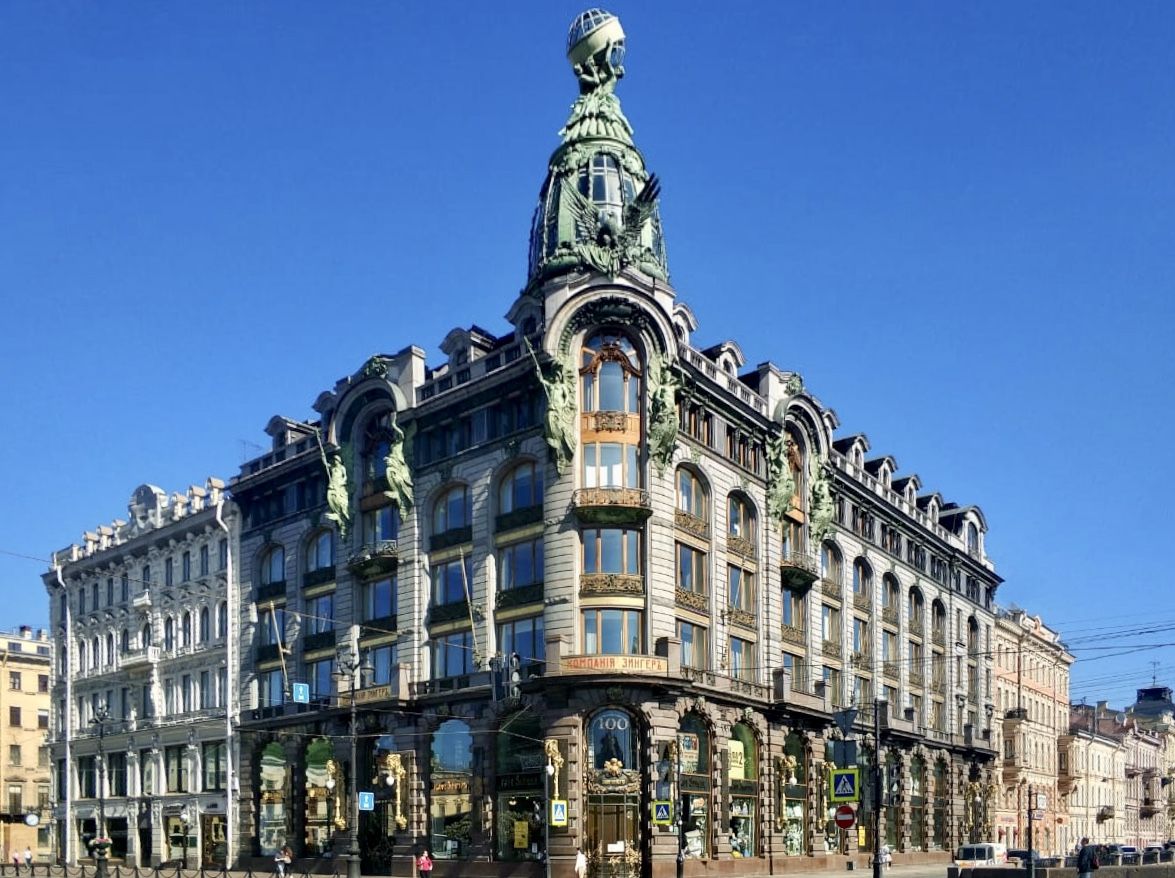
Saint Petersburg (abbreviated SPb; Petrograd from 1914 to 1924, Leningrad from 1924 to 1991) is the second-largest city in Russia by population. It is a city of federal significance and the administrative center of the Northwestern Federal District. It was founded on May 16 (27), 1703, by Tsar Peter the Great. From 1714 to 1728 and from 1732 to 1918, it served as the capital of the Russian state.
Population: 5,652,922 (2025). Saint Petersburg is the northernmost city in the world with a population of over one million. It is also the westernmost city in Russia with a population of over one million. Among cities located entirely in Europe, it is the third most populous (behind only Moscow and London), and the largest non-capital city by population.
HISTORY
It was named in honor of the Apostle Peter, the patron saint of the founding tsar, but subsequently became more associated with the name of Peter the Great himself. The city is historically and culturally linked to the rise of the Russian Empire and Russia's emergence into modern history as a European great power.
It was the center of the Decembrist Uprising and three revolutions: those of 1905-1907, the February Revolution, and the October Revolution.[11] During the Great Patriotic War (1941-1944), it was besieged for 872 days, resulting in the deaths of approximately one million people. On May 1, 1945, Leningrad was declared a Hero City. The federal city of St. Petersburg also includes three cities of military glory: Kronstadt, Kolpino and Lomonosov.
LOCATION
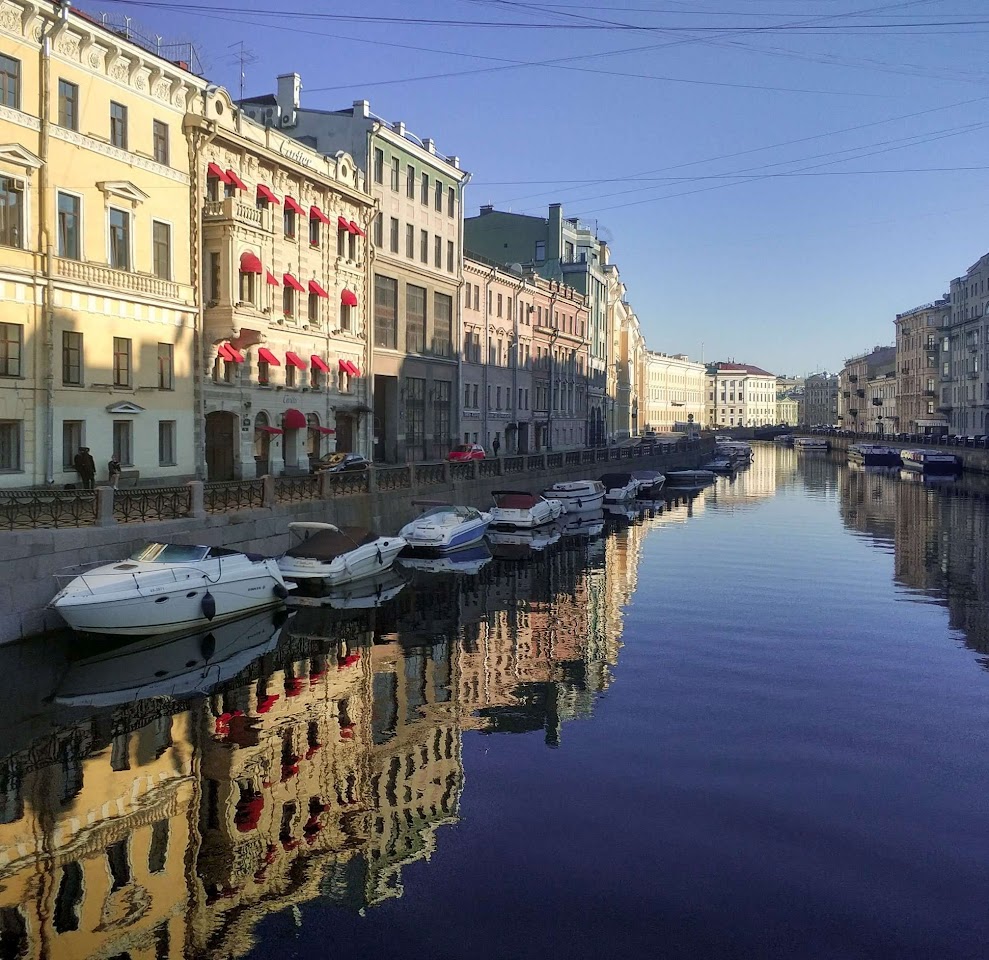
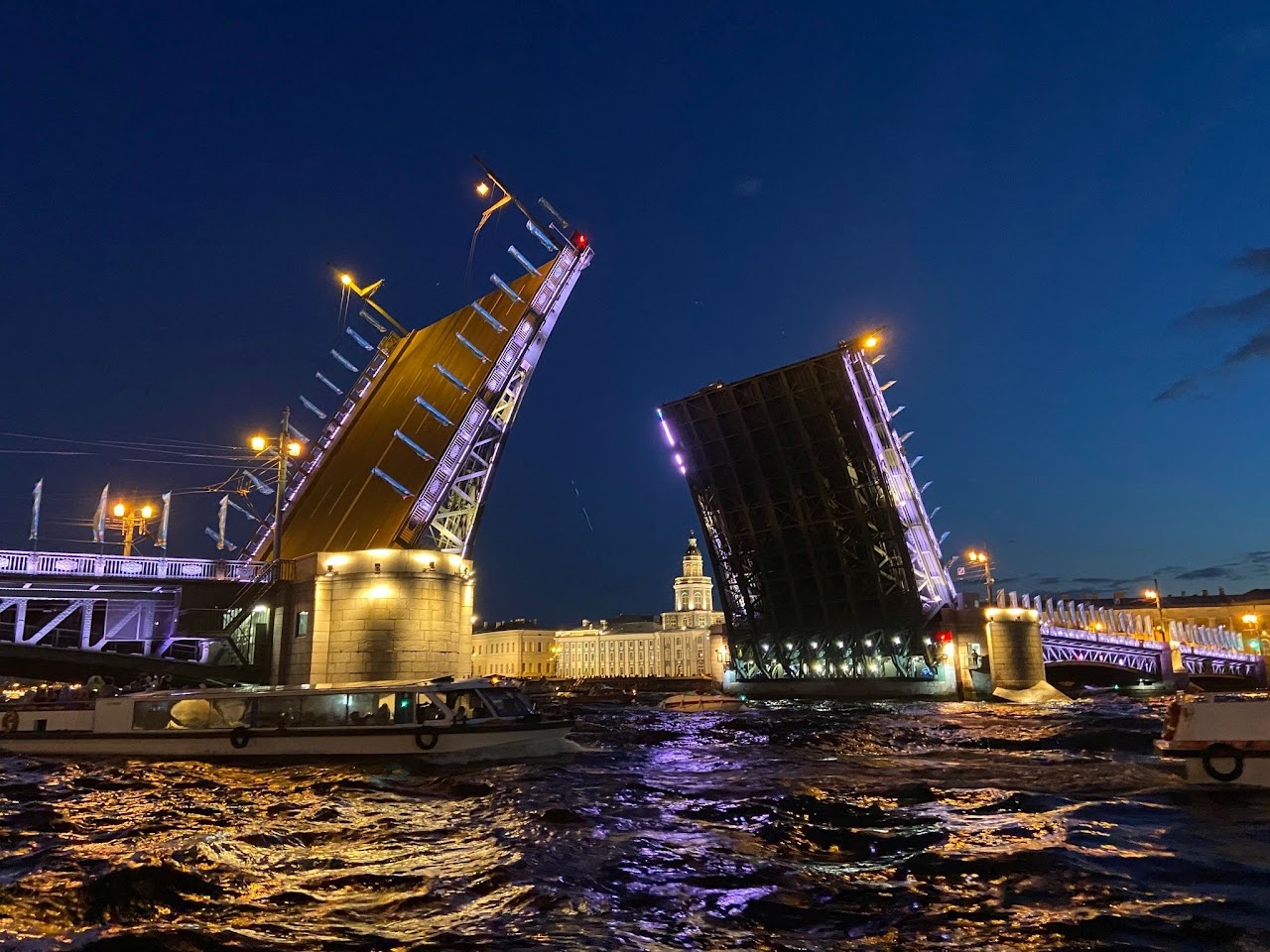
It is located in the northwest of the country on the coast of the Gulf of Finland and at the mouth of the Neva River. It borders the Leningrad Region and also shares maritime borders with Finland and Estonia.
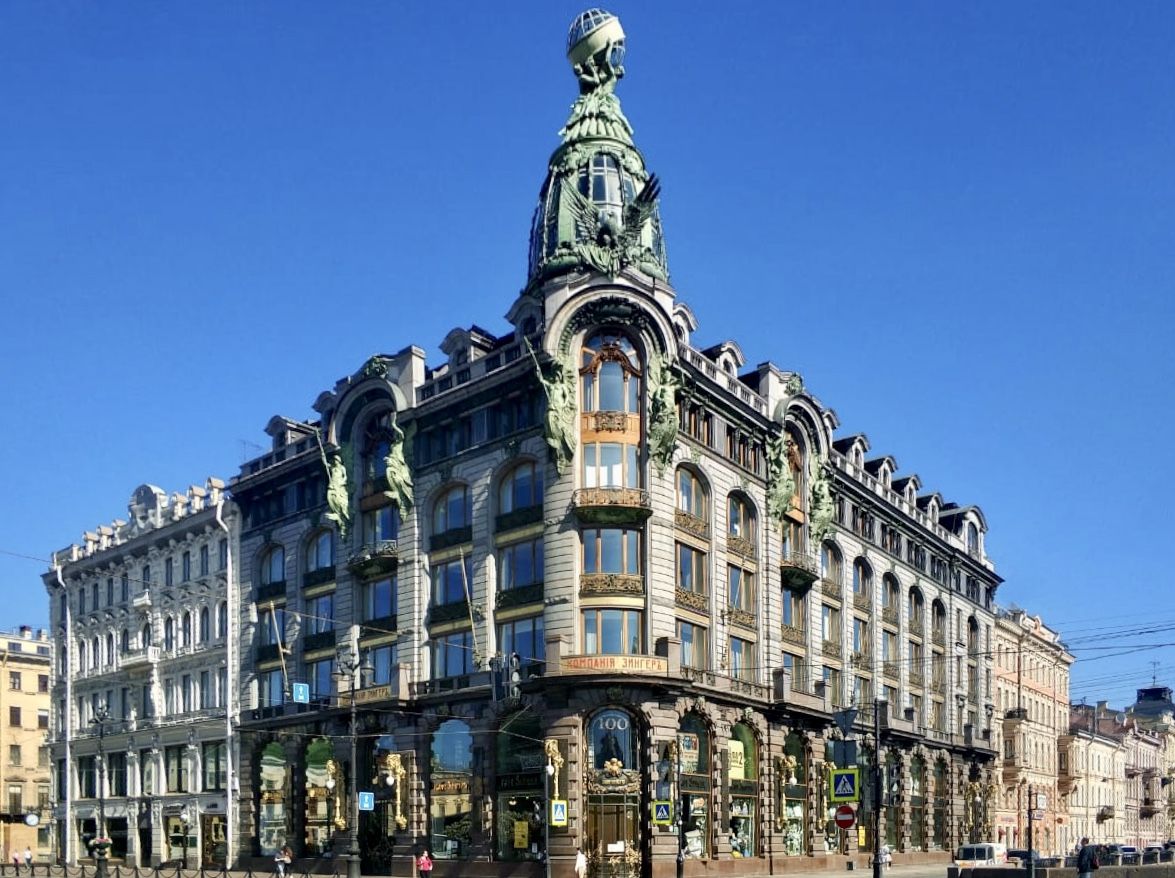
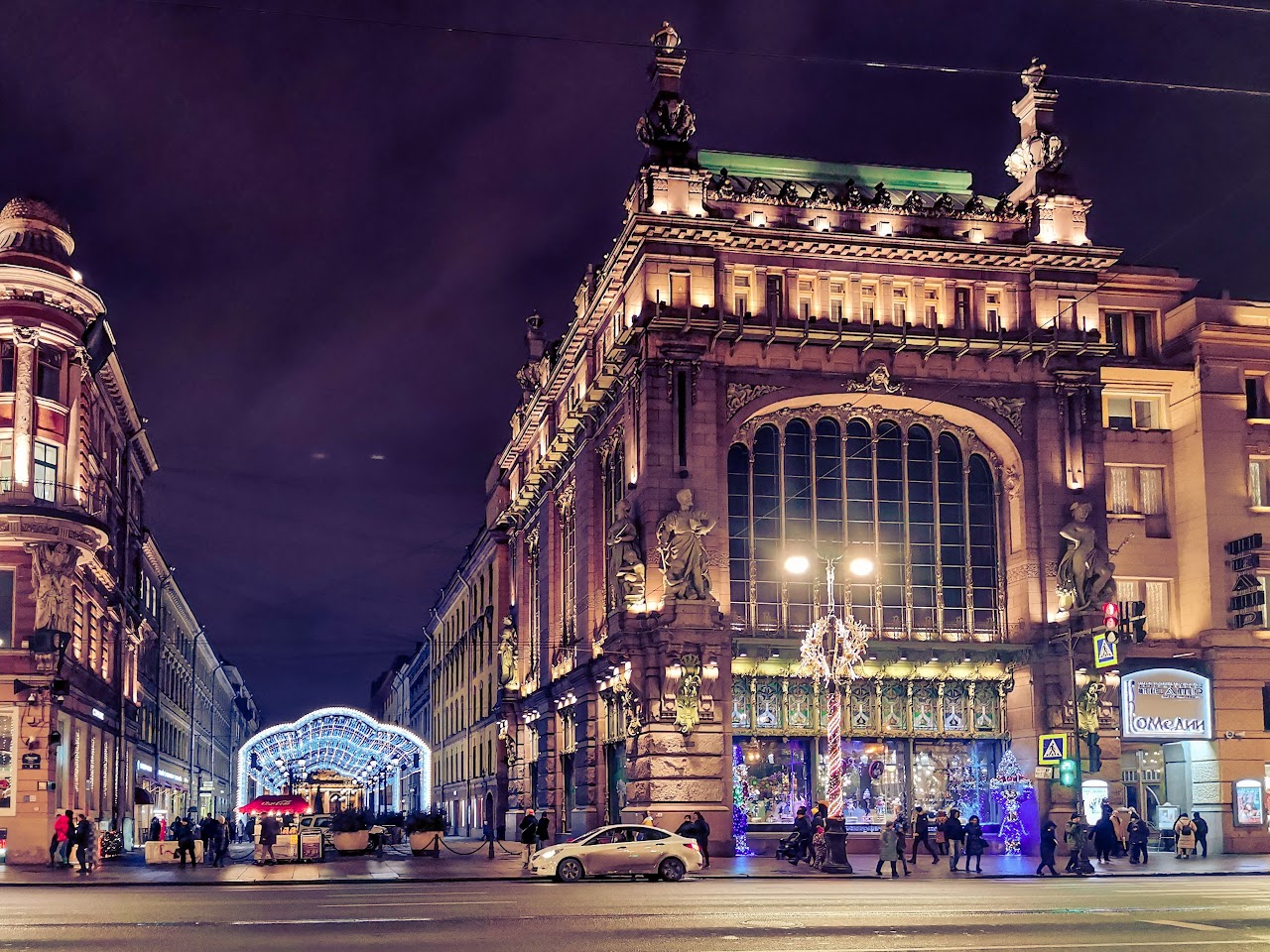
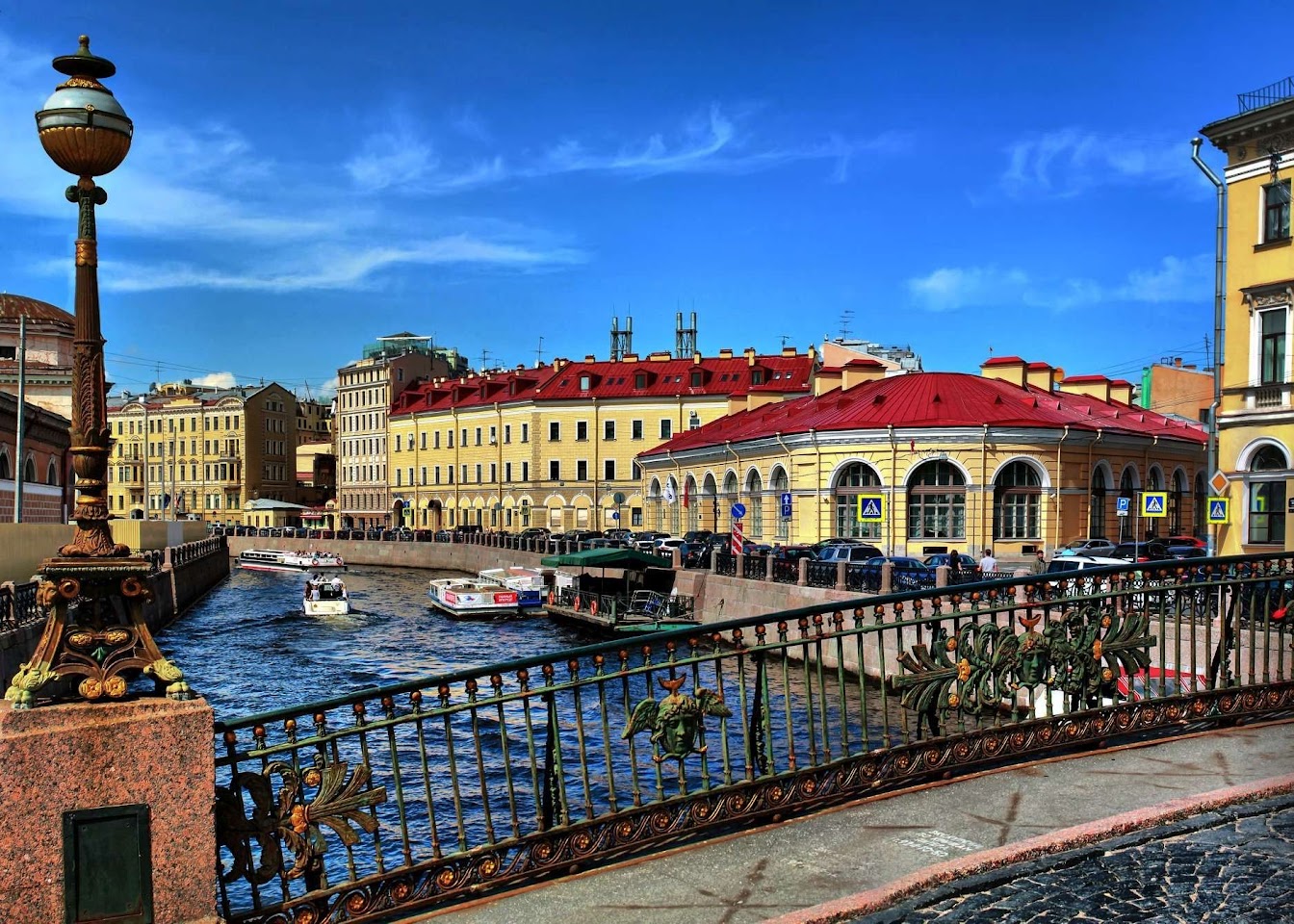
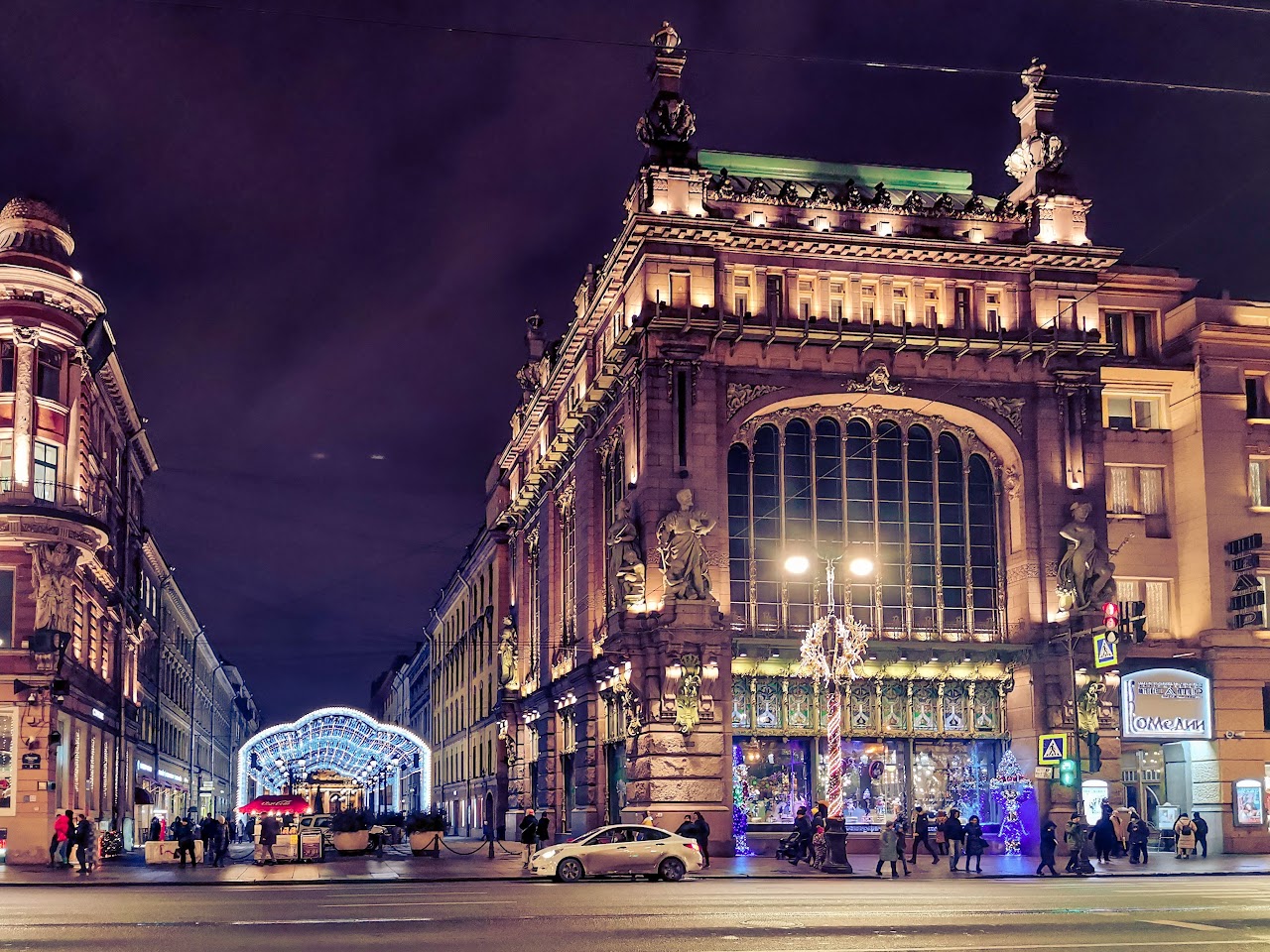
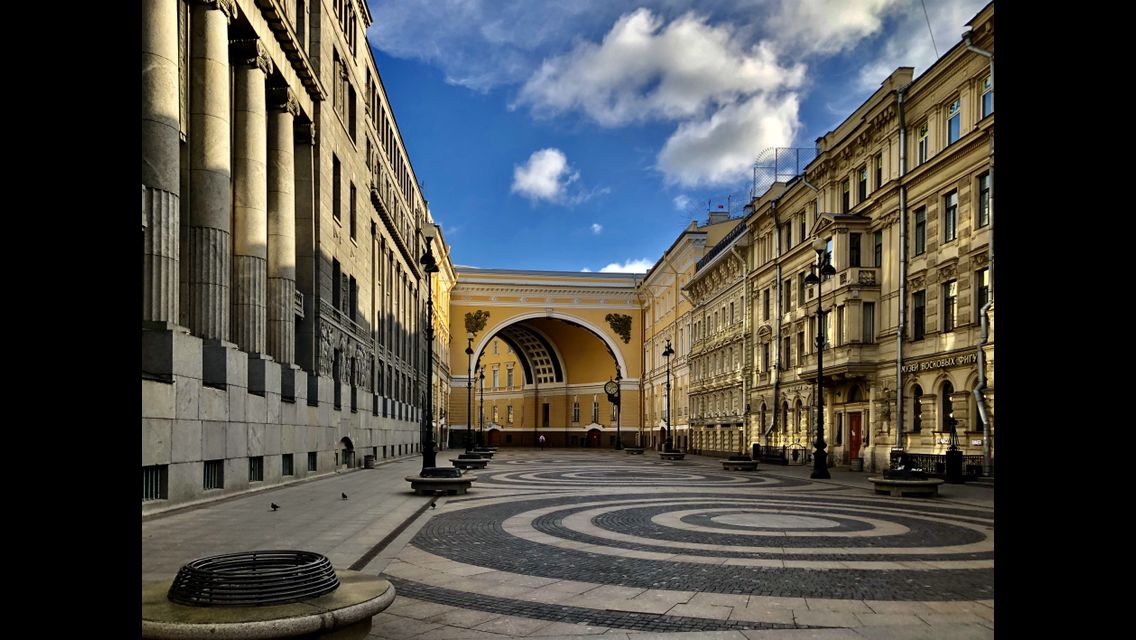
Saint Petersburg is an important economic, scientific, and cultural center of Russia and a major transportation hub. The city's historic center and associated monument complexes are listed as UNESCO World Heritage Sites; it is one of the country's most important tourist destinations. Among the most significant cultural and tourist attractions are the Hermitage Museum, the Kunstkamera, the Mariinsky Theater, the Russian National Library, the Russian Museum, the Peter and Paul Fortress, St. Isaac's Cathedral, and Nevsky Prospect.